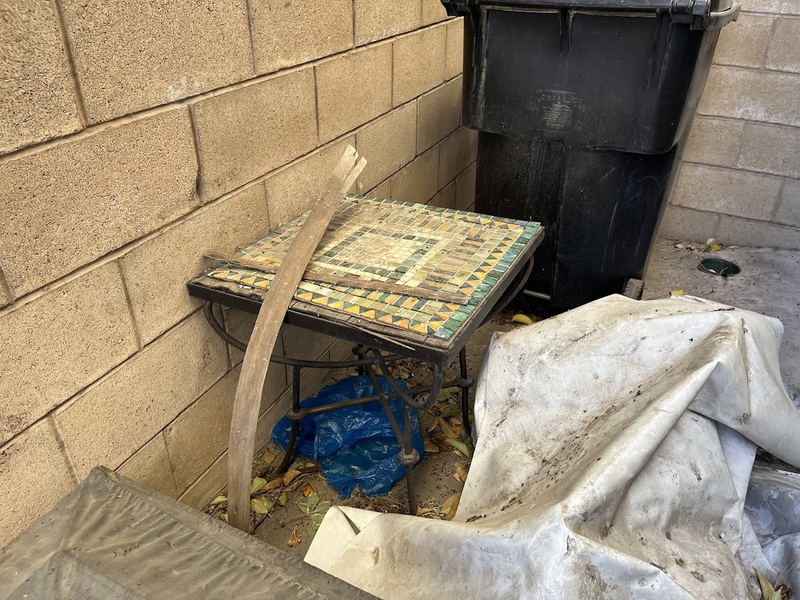
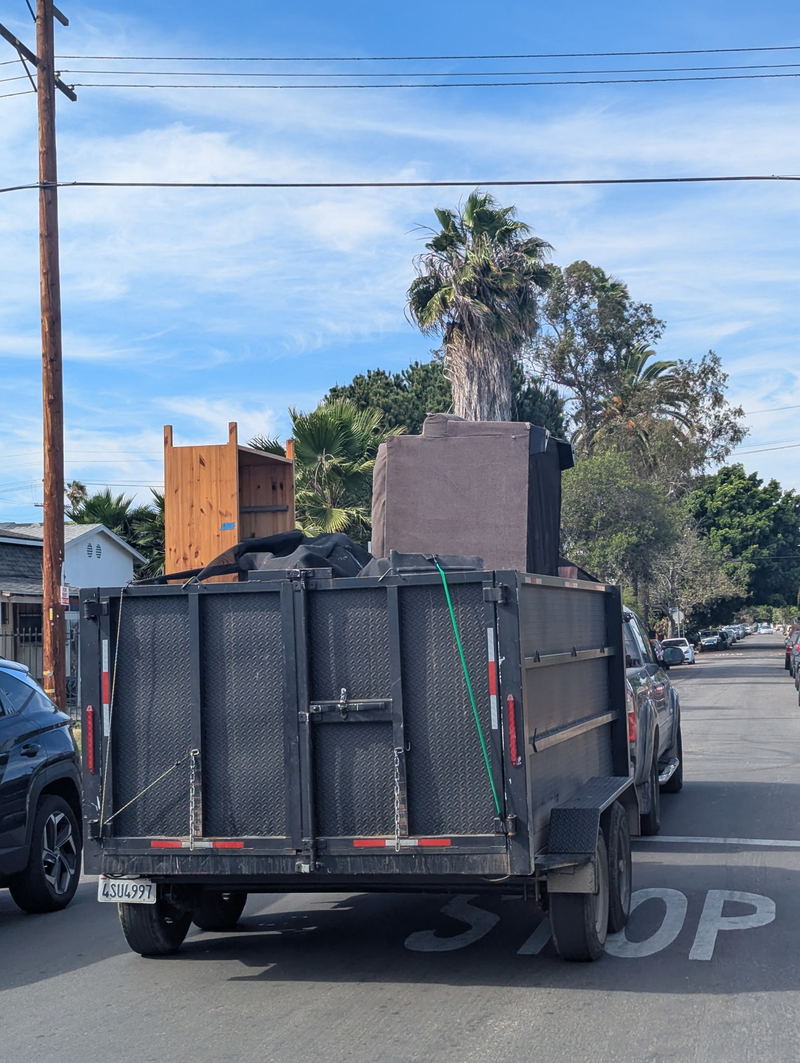
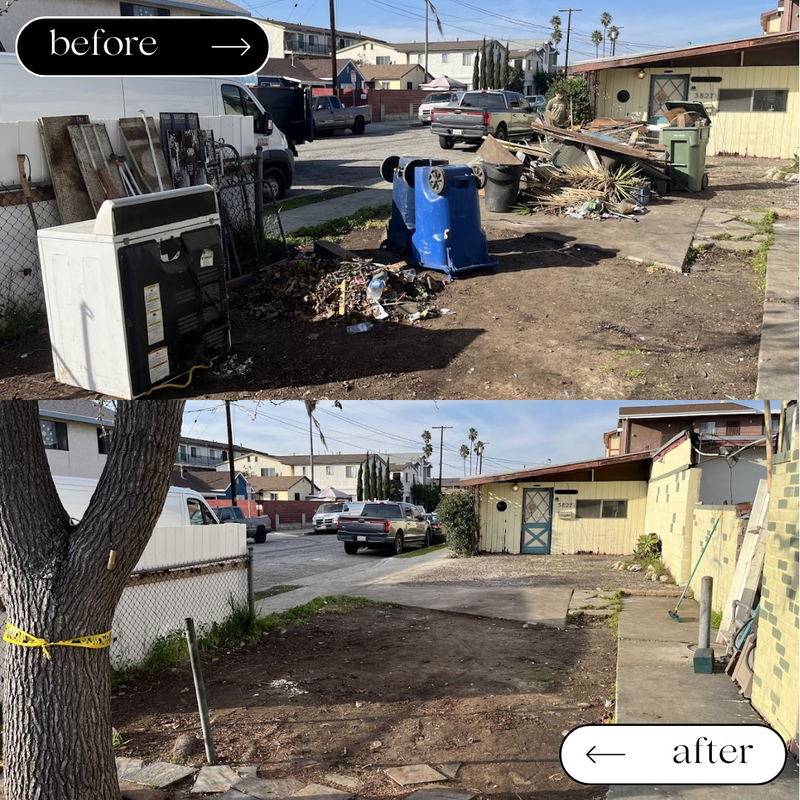
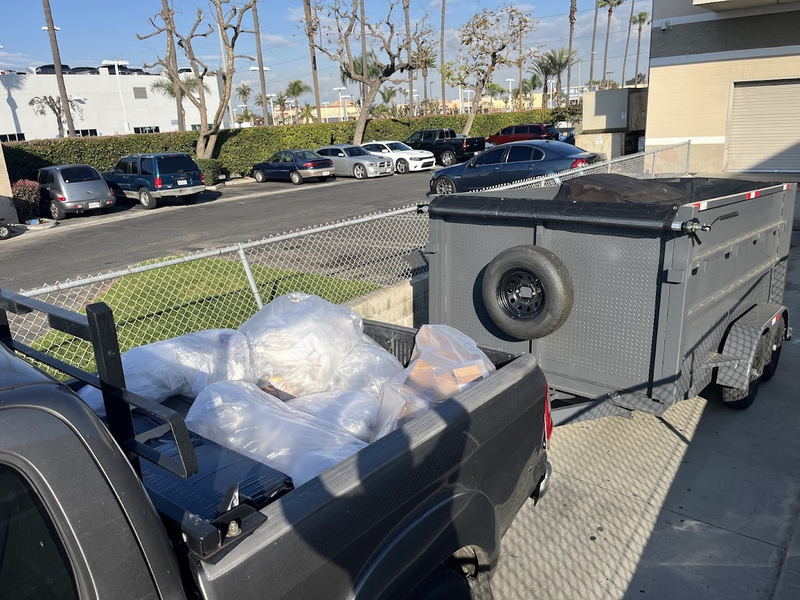
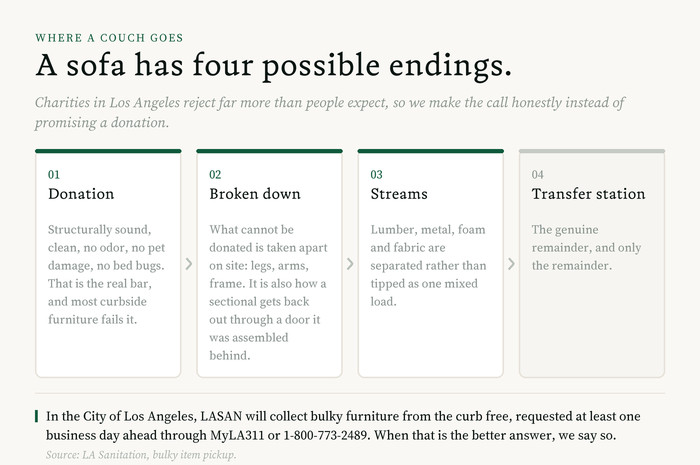
Sorting happens at your address, before anything is loaded, because a truck is a terrible place to make that decision. Sound, clean, odor-free furniture goes to reuse. Anything with real steel in it — bed frames, filing cabinets, futon and bunk frames, patio furniture, office chairs, shelving standards — goes to a scrap recycler rather than to a disposal gate. Lumber-framed pieces past saving are broken down so the frame, the foam and the fabric separate instead of being compacted into one lump. What is genuinely disposed of at the end of that is a much smaller share of a furniture load than most people expect.
Reuse is judged on the piece, not on the receipt. An intact frame, clean upholstery and no odor is a donation. A snapped rail, water staining, smoke, pet odor or any sign of an infestation is not, whatever the sofa cost, because a rejected donation is just a second journey for the same object. We say which one you have while standing in the room, and if something is worth more than a charity shelf we say that too rather than quietly loading it.
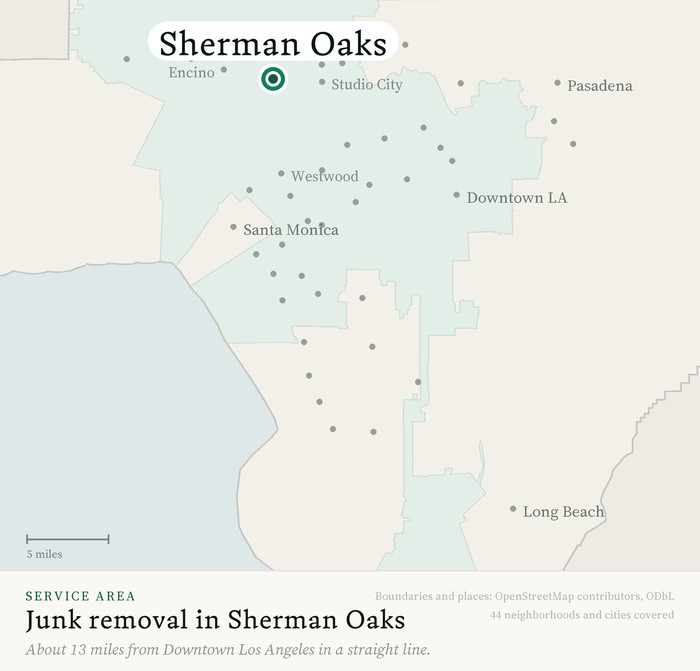
Beds are the one category with its own statewide machinery behind them. California's Used Mattress Recovery and Recycling Act, Public Resources Code sections 42985 to 42994, was established in 2013 to cut illegal dumping, raise recycling and take the end-of-life cost of mattresses off public agencies. CalRecycle oversees the resulting program and the Mattress Recycling Council runs it, funded by a recycling charge collected when a mattress or box spring is sold — the California mattress recycling fee changed to $18.00 on April 1, 2026. It covers mattresses and foundations. It does not cover sofa beds, futon frames, bed frames, mattress pads, toppers, pillows or loose bedding, all of which are ordinary furniture for disposal purposes. The detail of how that plays out at a Sherman Oaks address is on mattress removal in Sherman Oaks.
Two things that often travel with furniture do not travel with the load. Electronic waste — the television that was on the sideboard, the monitor under the desk, the printer in the closet — goes free to a S.A.F.E. Center, which accepts household hazardous waste and e-waste from Los Angeles residents at no charge and will ask for the address the material came from. So do the paint tins and the aerosols that turn up behind a wardrobe, within the published limit of 15 gallons or 125 pounds per visit. We separate all of it at the property and tell you where each part is going, rather than letting it be somebody else's problem at a gate.