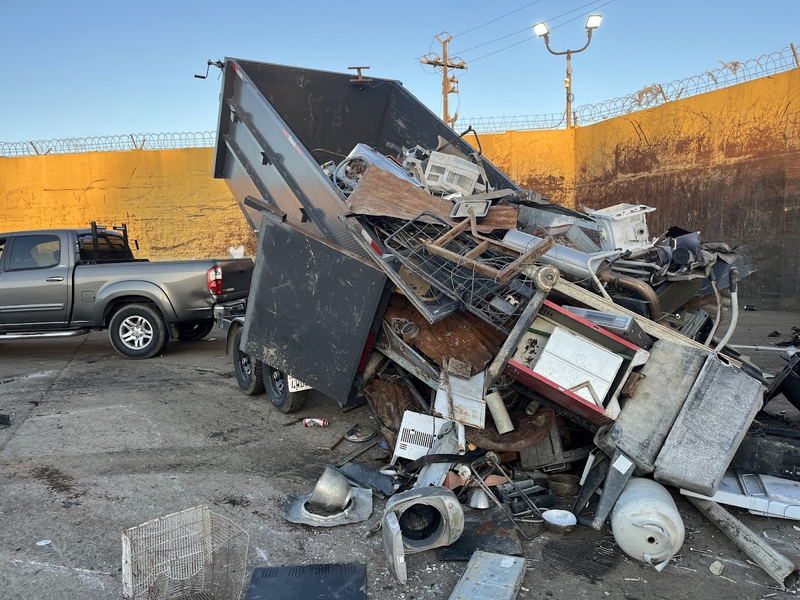
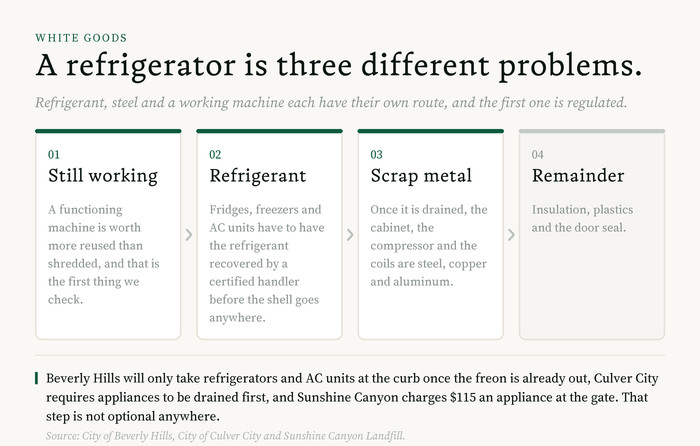
An appliance is taken apart in a fixed order and none of it happens at your house. Step one is refrigerant, and it governs everything after it. Section 608 of the Clean Air Act, at 40 CFR Part 82, Subpart F, prohibits intentionally venting ozone-depleting refrigerants and their substitutes, such as hydrofluorocarbons, while air conditioning or refrigeration equipment is maintained, serviced, repaired or disposed of. In practice a refrigerator, a freezer, a window or portable air conditioner, a dehumidifier, an ice maker or a wine cabinet has to arrive at a processor with its circuit unbroken, and the charge is drawn off with recovery equipment there. A unit dragged on its side with the line set snagged has already vented, and nothing downstream repairs that.
Step two is the compressor oil, drained and handled separately rather than riding with the metal. Step three is the metal, most of the weight and most of the value: the steel cabinet, the copper in the windings, the aluminum in the fins and the compressor itself. Step four is the plastics and the foam insulation, which is why a refrigerator cannot simply be baled like a washing machine.
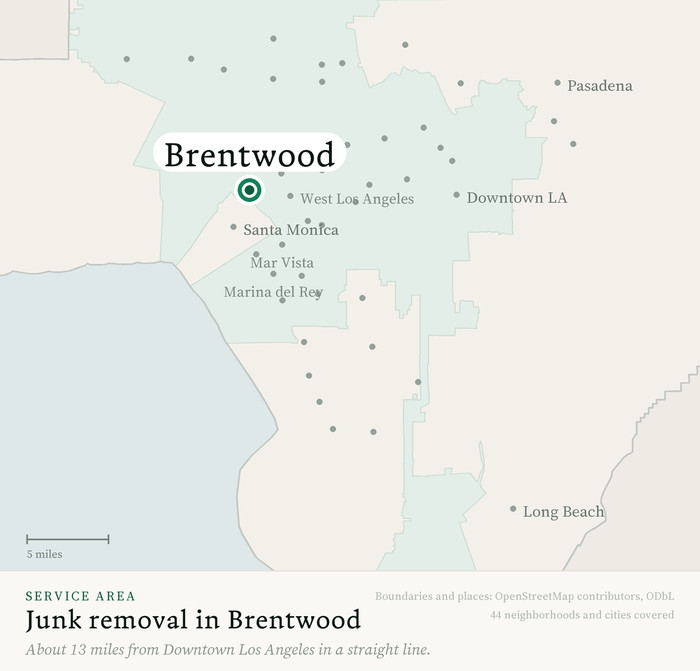
Step five is the fraction that makes an appliance universal waste rather than scrap. Control boards, mercury switches in older chest freezers, and the batteries in anything with a memory are covered by California's universal waste rules. The household exemption ended on February 9, 2006, banning household batteries, computers, fluorescent lamps, mercury switches, printers, microwaves, televisions and monitors from the trash outright. A microwave is not a borderline case; it is named. The free destination for that fraction is a S.A.F.E. collection center, and Brentwood's nearest is UCLA on Charles E. Young Drive West, open Fridays, Saturdays and the first Sunday of each month, within California's transport limit of 125 pounds or 15 gallons per visit.
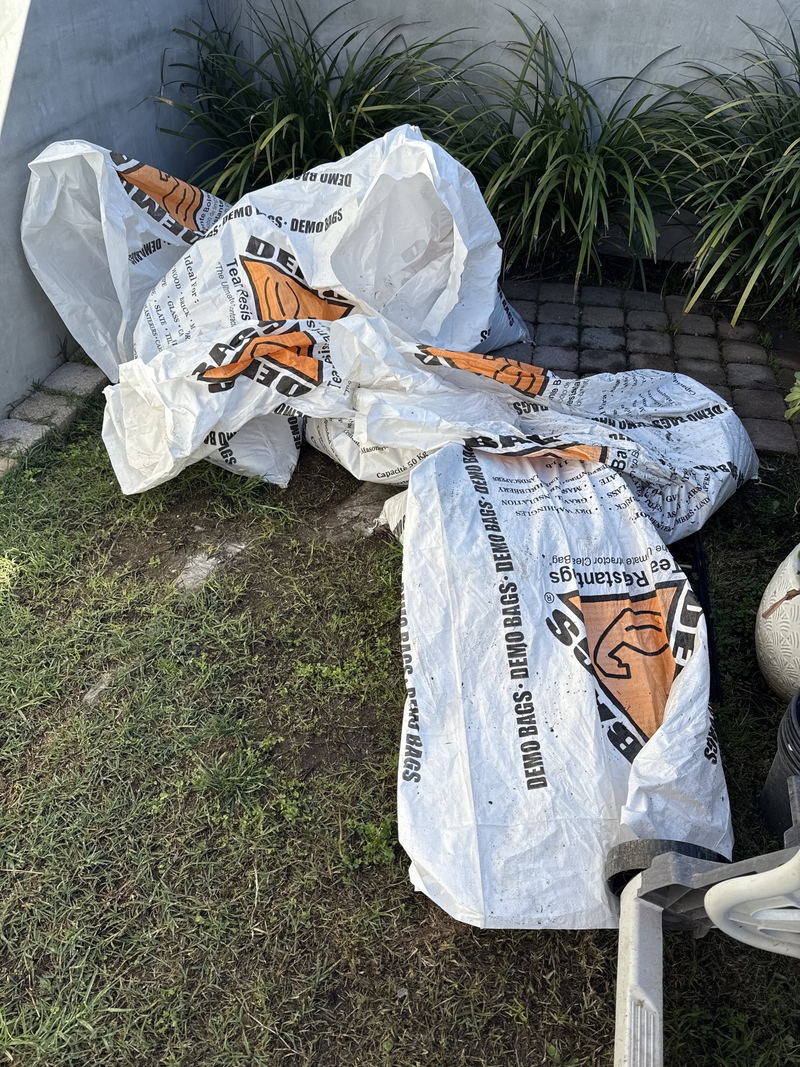
Step six is what never rides with an appliance load, and here there are usually two candidates. One is the chemical stock sharing a garage with the second refrigerator — paint, thinner, motor oil, pool chemical, propane cylinders — which goes to S.A.F.E. as its own run under the same per-visit limit. The other is anything demolished around the appliance. If a cabinet run is cut out to free a built-in refrigerator, or tile and countertop come away with a range, that is construction and demolition debris, and in the City of Los Angeles it must be hauled by a permitted private hauler to a City-certified processing facility, with a penalty of up to $5,000 per load for material taken anywhere else.